The Ultimate Guide to Roof Ventilation and Insulation for Energy Efficiency
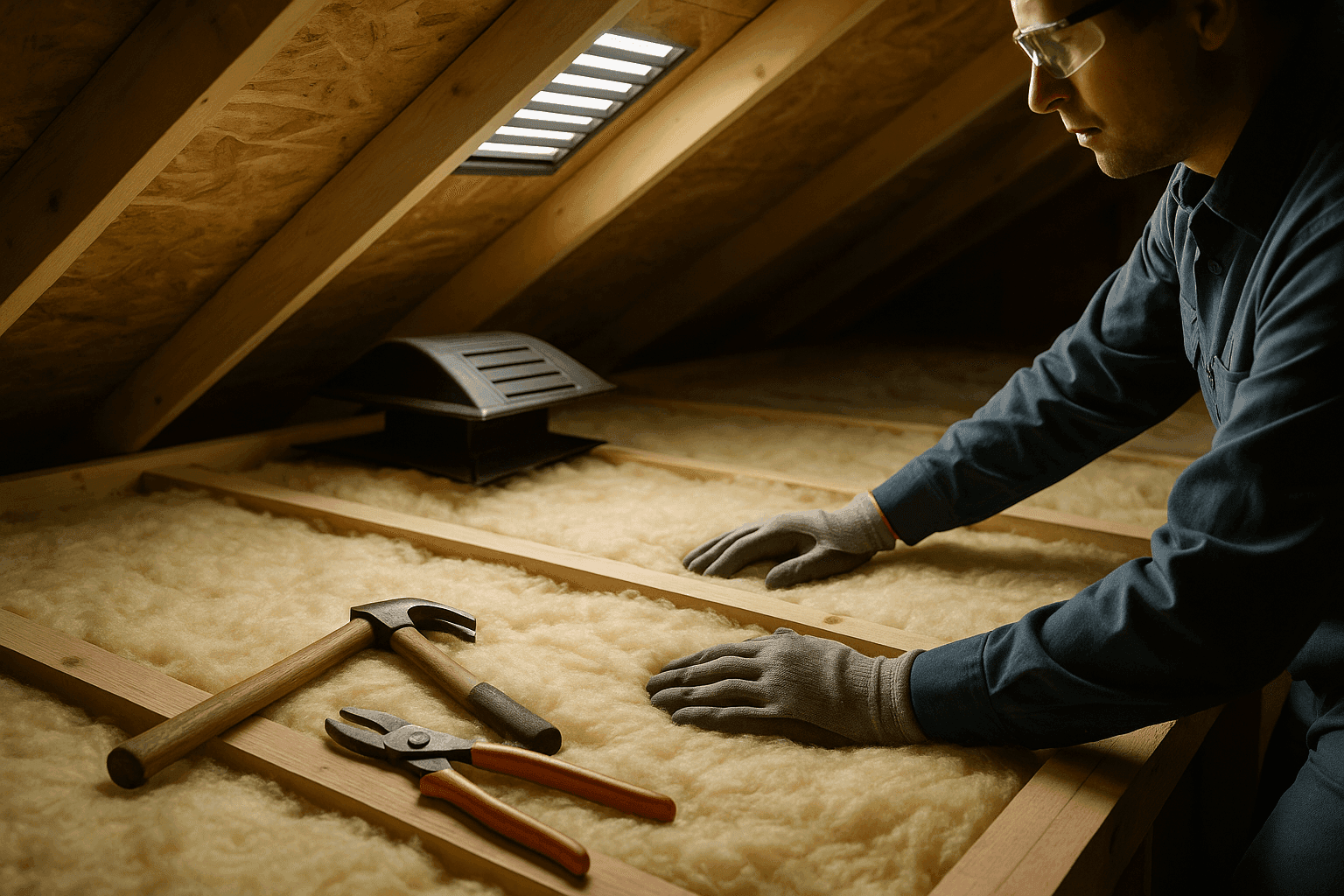
Is your home or business feeling drafty in winter and stifling hot in summer? You’re not alone. Many property owners don’t realize their roof is the unsung hero of comfort and energy savings. At A & J Roofing, we’ve seen how the right blend of ventilation and insulation can transform a space—saving money, preventing headaches, and protecting your investment.
Let’s break down the secrets behind a roof that works smarter, not harder. Whether you’re worried about rising energy bills, moisture, or simply want peace of mind, this guide is for you.
Why Roof Ventilation and Insulation Matter
Picture your roof like the lungs and blanket of your building. Ventilation lets your house “breathe,” pushing out stale, humid air and drawing in fresh, dry air. Insulation wraps your home in a cozy layer, trapping warmth in winter and blocking heat in summer.
Together, they’re a powerhouse duo. Without them, your attic can become a sauna in July and an icebox in January. That’s when problems start—higher bills, mold, ice dams, and even structural damage.
How Ventilation and Insulation Work Together
Ventilation and insulation are like peanut butter and jelly: great alone, but unbeatable together.
- Ventilation moves air through your attic, keeping temperatures stable and moisture levels low.
- Insulation slows the transfer of heat, making it harder for cold or hot air to sneak in or out.
When balanced, you get even temperatures, less wear on your HVAC, and a roof that lasts longer. According to the International Residential Code (IRC), proper attic ventilation is critical for preventing moisture build-up and extending roof life.
Types of Roof Ventilation Systems 🌀
There’s more to ventilation than just a few holes in the roof. Here are the main types:
Ridge Vents
These run along the peak of your roof, letting hot air escape naturally. They’re subtle and effective, especially when paired with soffit vents.
Soffit Vents
Located under the eaves, soffit vents pull in cool air from outside. They work best with a way for air to exit—like ridge or gable vents.
Attic Fans
Powered or solar, these fans actively move air out of your attic. They’re useful in areas with little natural airflow or complex roof shapes.
Gable Vents
Installed on the end walls of your attic, gable vents let air flow sideways through the space. They work well with other vent types.
Common Insulation Materials
Insulation comes in many forms, each with its own strengths:
- Fiberglass batts: Affordable and easy to install, but must be fitted tightly to avoid gaps.
- Blown-in cellulose: Great for filling odd spaces and boosting R-value (thermal resistance).
- Spray foam: Seals air leaks and insulates at the same time—ideal for hard-to-reach areas.
- Rigid foam boards: High insulating value, often used in new construction or major upgrades.
The Department of Energy recommends checking your attic insulation’s R-value and upgrading if it’s below current standards.
The Impact on Energy Bills and Roof Health
Your attic can act like a pressure cooker. In summer, poor ventilation traps heat, forcing your AC to work overtime. In winter, warm air rises, melts snow on your roof, and refreezes at the edges—creating ice dams that can tear up shingles and gutters.
Moisture is another villain. Without airflow, condensation builds up, leading to mold, wood rot, and insulation breakdown. The result? Costly repairs and a roof that ages before its time.
A well-ventilated and insulated roof can cut heating and cooling costs by up to 20%, according to the EPA. That’s money back in your pocket.
Quick Safety Checklist Before You Start 🛑
Before poking around your attic or roof, keep these safety tips in mind:
- Wear gloves, goggles, and a mask—insulation fibers can irritate skin and lungs.
- Watch your step—only walk on joists or boards, never directly on insulation.
- Keep a flashlight handy; attics can be dark and cluttered.
- Check for exposed nails, electrical wiring, and animal nests.
- If you spot mold, extensive water damage, or signs of structural issues, stop and call a professional.
DIY or Call a Pro?
Some ventilation and insulation projects are weekend-friendly. Others are best left to experienced hands.
When DIY Makes Sense
- Adding weatherstripping or sealing small attic gaps.
- Laying additional fiberglass batts if you have easy access.
- Cleaning soffit vents with a vacuum or brush.
When to Call in A & J Roofing
- If your attic is hard to access or has complex wiring.
- Signs of water damage, sagging, or mold.
- Installing new vents, attic fans, or spray foam insulation.
- If you’re unsure about building codes or safety requirements.
Remember, improper installation can cause more harm than good—costing you more in the long run.
What A & J Roofing Pros Do On Arrival
When you schedule a visit, here’s what you can expect from our team:
- Thorough inspection: We check your attic, roof surface, and ventilation paths.
- Moisture and temperature readings: Using industry tools, we spot trouble areas invisible to the naked eye.
- Assessment of insulation depth and coverage: We compare your current setup to recommended R-values.
- Ventilation audit: We ensure intake and exhaust vents are balanced and unobstructed.
- Clear recommendations: You’ll get a straightforward plan—no jargon, no pressure.
We follow guidelines from the National Roofing Contractors Association (NRCA) and Occupational Safety and Health Administration (OSHA) for every inspection.
Prevention & Maintenance Tips
A little attention goes a long way. Here’s how to keep your roof system humming:
- Check attic insulation every year. Look for settling, damp spots, or gaps.
- Clear soffit and ridge vents of debris. Leaves, dust, and even insulation can block airflow.
- Inspect for signs of pests. Birds, squirrels, and insects love cozy attics.
- Watch for condensation or frost in winter. These are red flags for ventilation issues.
- Schedule a professional roof inspection every few years. Especially after major storms or if you notice changes in your energy bills.
Costs & Time Factors
Every roof is unique, so costs and timelines can vary. Here’s a general sense:
- Ventilation upgrades: Simple vent additions can take a few hours; complex systems may span a day or two.
- Insulation upgrades: Blown-in or batt insulation often wraps up in a day, unless major repairs are needed.
- Professional inspections: Usually completed in under two hours.
Material costs depend on the insulation type, roof size, and accessibility. Investing now can prevent bigger, pricier problems down the road.
When It’s an Emergency
Sometimes, roof problems can’t wait. Here’s when to call for emergency roofing help:
- Water dripping from ceiling or attic after storms.
- Sudden spikes in humidity or musty smells indoors.
- Rapid temperature swings in your home or business.
- Visible mold, sagging, or structural changes in the attic.
A & J Roofing offers emergency roofing services to address urgent leaks, storm damage, and ventilation failures—day or night.
FAQ: Roof Ventilation & Insulation
How often should I check my attic insulation?
At least once a year, and after any major storm. Look for dampness, settling, or rodent activity.
Can I add more insulation over old insulation?
Yes—if the existing insulation is dry and free of mold or damage. Never cover wet or moldy material.
What are signs of poor ventilation?
Hot, stuffy attics in summer, ice dams in winter, musty smells, or visible mold are all warning signs.
Is attic ventilation required by building codes?
Yes. Most codes, including the International Residential Code (IRC), require a balance of intake and exhaust vents to prevent moisture and heat build-up.
Special Considerations for Roof Ventilation & Insulation
- Older homes may have inadequate or outdated ventilation systems. Retrofitting can be tricky—consult a pro.
- Flat roofs need special attention, as airflow can be limited.
- Eco-friendly options like recycled insulation and solar attic fans are available for those wanting to lower their environmental impact.
- Commercial properties often require larger-scale solutions and must meet specific safety and energy codes.
Your roof is more than shingles and nails—it’s a system. Treat it well, and it’ll return the favor with lower bills, fewer headaches, and a more comfortable space.
Ready to boost your comfort, cut energy costs, and protect your roof for years to come?
Call A & J Roofing now — or reach us anytime at 877-748-7543 .