Tile Roofing for Homes: Benefits, Care, and Common Repairs
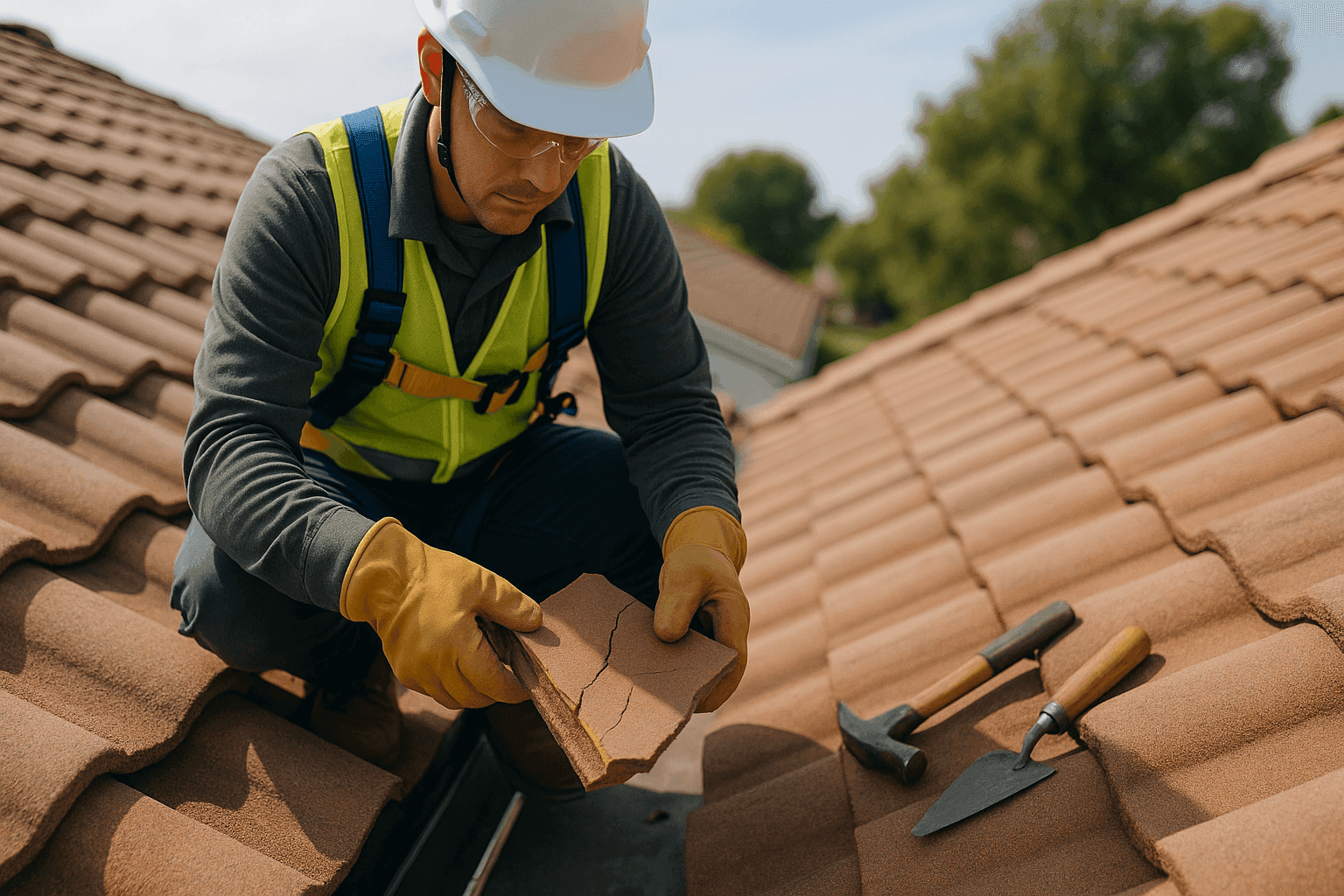
Is your home's tile roof keeping out the weather or letting in trouble? When storms hit or seasons change, even the strongest tile roofs can spring a leak or lose a tile. At A & J Roofing, we know the headaches—and the peace of mind—a well-cared-for tile roof brings.
Whether you’re facing an emergency roofing situation or just want to extend your roof’s life, understanding the basics helps you spot issues before they spiral. This guide is your roadmap. Let’s break down what makes tile roofs unique, how to care for them, and when to call for help.
Types of Tile Roofs
Tile roofs are as diverse as the homes they protect. Each type comes with its own story, strengths, and quirks. Here’s what you’ll find on homes across the country:
Clay Tile
Clay tiles have been around for centuries. Think old Spanish missions with their warm, earthy red roofs. They’re made from natural clay, fired in a kiln. The color doesn’t fade, and they stand up to sun, rain, and even salty coastal air.
- Pros: Naturally fire-resistant, long-lasting, and classic beauty.
- Cons: Heavier than most roofing, so your home’s structure must be able to support them.
Concrete Tile
Concrete tiles are the workhorses of the tile world. Molded from sand, cement, and water, they’re tougher than they look. Manufacturers often color them to mimic clay or slate.
- Pros: Durable, versatile shapes and styles, generally less expensive than clay.
- Cons: Still heavy, and the color can fade over time if not properly treated.
Synthetic Tile
Here’s the modern twist—synthetic tiles made from recycled materials or composite blends. They’re designed to look like clay or concrete, but weigh less.
- Pros: Lightweight, easy to install, and often eco-friendly.
- Cons: May not have the same lifespan as natural materials, and quality varies by brand.
🌤️ No matter the type, all tile roofs offer unique protection and curb appeal.
Benefits & Drawbacks
Tile roofing isn’t just about looks. It’s a blend of real benefits and a few trade-offs every homeowner should weigh.
Why Homeowners Choose Tile Roofs
- Longevity: Tile roofs routinely last 50–100 years with proper care, according to the Tile Roofing Industry Alliance.
- Weather Resistance: Tiles shrug off heavy rain, hail, and high winds—key for storm-prone regions.
- Fire Safety: Both clay and concrete tiles are non-combustible, providing a serious layer of protection.
- Eco-Friendly: Many tiles are made from natural or recycled materials and are fully recyclable at end-of-life.
- Energy Efficiency: Tiles reflect sunlight and allow for airflow, helping homes stay cooler in summer.
What to Watch Out For
- Weight: Tiles are heavy—up to three times heavier than asphalt shingles. Not every home can handle the load without structural reinforcement.
- Upfront Cost: Installation costs more than basic shingles due to both material and labor.
- Fragility: Ironically, while tough against weather, tiles can crack if walked on or struck by heavy debris.
- Repair Complexity: Repairing tiles often means working with specialized materials and techniques.
🏠 Choosing tile roofing is like investing in a sturdy pair of boots—more costly up front, but they’ll walk you through decades of storms.
Maintenance Best Practices
A little care goes a long way. Treat your tile roof like a classic car: regular attention keeps it beautiful and reliable.
Keep It Clean
- Clear leaves, branches, and other debris, especially after storms. This helps prevent water backup and moss growth.
- Gutter Cleaning and Downspout Repair near you can help keep water flowing away from your home.
Inspect Every Season
- Walk the perimeter and check for slipped, broken, or missing tiles. Binoculars work if you’re not comfortable on a ladder.
- Look for dark patches—these may signal algae growth or water pooling.
Be Gentle
- Never walk directly on tiles if you can avoid it. If you must, step where tiles overlap and consider using a roof ladder.
- Pressure washing can damage the surface. Use a soft brush and mild cleaner instead.
Schedule Professional Inspections
- Have A & J Roofing or another qualified roofer inspect your tile roof every 2–3 years—or after any major storm.
- Professional inspections can spot hidden problems in underlayment, flashing, or ventilation.
🧹 A little prevention is worth a pound of repair. Give your roof the TLC it deserves.
Common Repairs
Even the best roof can take a beating. Here are the most common tile roof issues and what can be done about them.
Cracked or Broken Tiles
Tiles can crack from falling branches, hail, or even foot traffic. Left unchecked, these cracks invite water—and trouble.
- Spotting the Problem: Look for visible cracks, chips, or missing pieces.
- Repair Steps: Damaged tiles need to be carefully removed and replaced. Matching the color and shape can be tricky, especially for older roofs.
Underlayment Issues
Under the tiles, there’s a hidden layer called underlayment. This is your last line of defense against leaks.
- Symptoms: Stains on ceilings, musty smells in the attic, or visible water inside after rain.
- What to Do: If underlayment fails, tiles may need to be temporarily removed. New waterproof layers are then installed before resetting the tiles.
Flashing and Seals
Areas around chimneys, skylights, and roof valleys rely on metal flashing and sealants.
- Common Issues: Corrosion, gaps, or dried-out caulking lets water sneak in.
- Repairs: Replacing metal flashing and applying fresh sealant restores the barrier.
Before/After: The Difference Repairs Make
Imagine a roof with scattered, broken tiles and dark, damp patches. After repairs, the surface is smooth, colors match, and water flows off cleanly—no more leaks, no more worries.
🛠️ Catching repairs early keeps small problems from turning into emergencies.
Lifespan & Replacement Timing
How long will your tile roof last? With the right care, clay and concrete can outlast a generation. Synthetic tiles, while newer, often come with warranties of 30–50 years.
Signs It’s Time for Replacement
- Multiple leaks in different areas
- Widespread cracked or missing tiles
- Sagging roof deck or visible structural issues
- Underlayment that’s deteriorated across large sections
Manufacturer Data
According to the National Roofing Contractors Association (NRCA), well-maintained tile roofs can exceed 50 years. But local climate matters—a roof facing hurricanes or freeze-thaw cycles may need replacement sooner.
Planning Ahead
Replacing a tile roof is a big project. Plan for a few days of work and possible disruptions. Protect valuables in your attic, and consider temporary covers if rain is in the forecast.
⏳ Think of roof replacement as a reset button—restoring safety and value for decades to come.
Practical Tips for Homeowners
- Schedule seasonal inspections—especially before storm season.
- Trim overhanging trees to prevent branches from falling on tiles.
- Clean gutters and downspouts regularly to channel water away.
- Never delay repairs—small cracks can quickly become big leaks.
- Ask your roofer about eco-friendly tile options if you’re planning a replacement.
Frequently Asked Questions
How often should a tile roof be inspected?
Every 2–3 years is recommended by the Tile Roofing Industry Alliance, or after major weather events.
Can I replace a broken tile myself?
It’s possible, but risky. Tiles are fragile and one wrong step can cause more damage—or injury. For emergency roofing or repairs, it’s safest to call a professional.
What’s the biggest threat to tile roofs?
Beyond storms and falling debris, improper installation or poor underlayment is the leading cause of premature leaks.
Are tile roofs suitable for all climates?
They perform best in warm, dry regions but can be adapted for cold or wet climates with proper underlayment and ventilation.
Local and Seasonal Considerations
No two roofs—or climates—are the same. In snowy areas, freeze-thaw cycles can crack tiles and loosen fasteners. In hurricane zones, wind-driven rain can sneak under tiles if flashing isn’t perfect. In hot, sunny states, UV rays can fade color and dry out underlayment.
Always choose materials and installation methods that meet local building codes. The International Residential Code (IRC) outlines load requirements and installation practices for tile roofs. Your local building department may have additional rules, especially for wind or seismic zones.
🌦️ Your roof is your home’s umbrella—make sure it’s built and cared for to handle your unique weather.
Ready to restore or protect your tile roof? Call A & J Roofing now — or reach us anytime at 877-748-7543 .