How Much Does Roof Replacement Cost? Real Homeowner Estimates
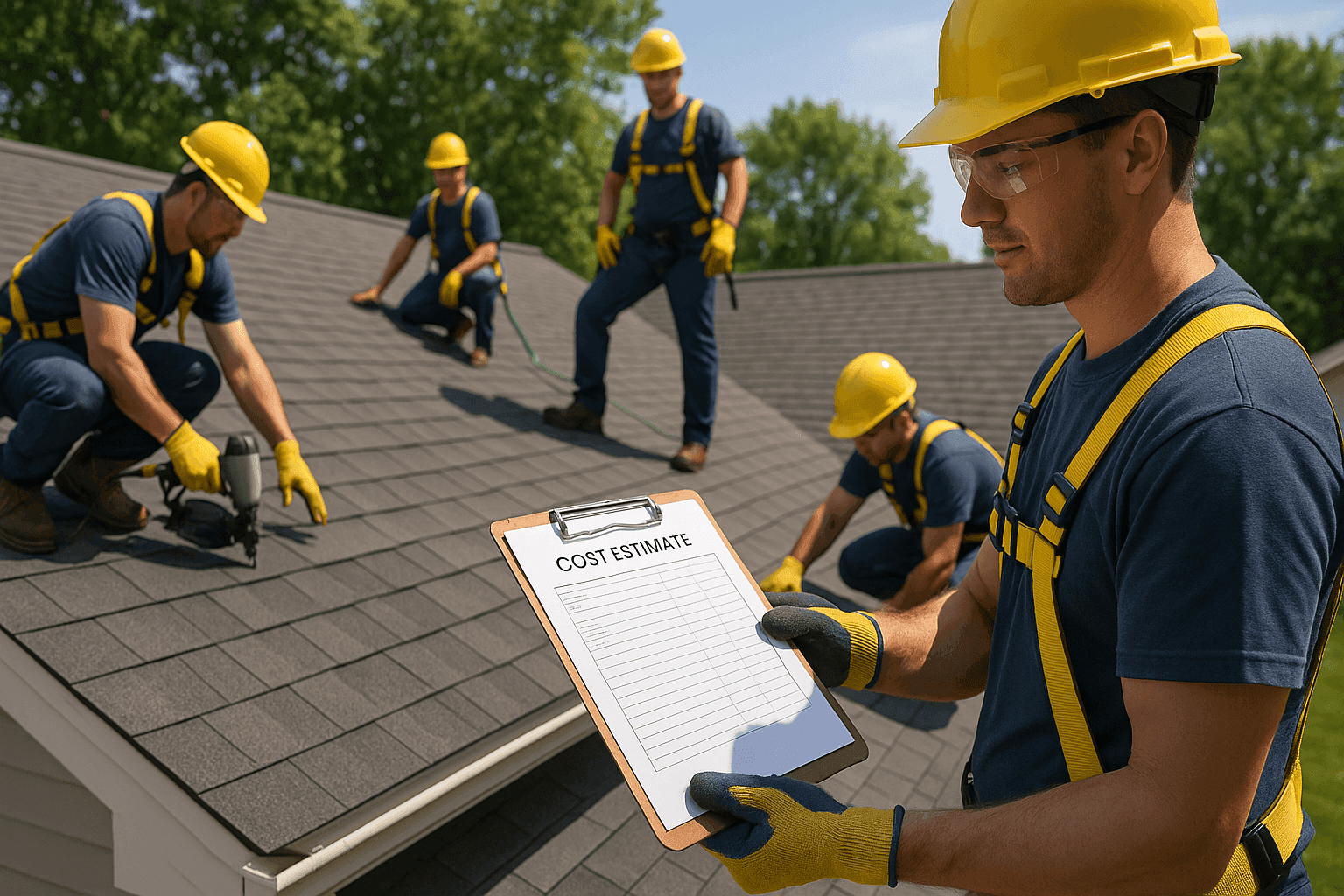
Replacing your roof isn’t just another weekend project. For most homeowners, it’s one of the largest—and most urgent—home investments they’ll ever make. Leaks can go from a steady drip to a waterfall overnight. Storms can send shingles flying. And when you call A & J Roofing for emergency roofing, you want real answers about cost—fast.
You're not alone. Every year, thousands of families face the same big question: How much should I budget for a new roof? We’ve gathered real homeowner experiences, industry averages, and the lived realities from the field—so you get the facts, not just guesses.
Factors Affecting Roof Replacement Cost 🏠
Let’s break down what makes the numbers on your quote go up—or down. Like a puzzle, several pieces fit together:
- Size of your roof: Bigger roofs need more material and time. A small cottage costs less than a sprawling two-story.
- Slope (pitch): Steep roofs are harder (and riskier) to work on. Flat roofs are easier, but some materials cost more.
- Material choice: Shingles, tile, metal, or flat roof membranes all come with their own price tags.
- Roof complexity: Valleys, chimneys, skylights, and dormers? Each adds labor and detail work.
- Existing damage: If water has seeped into decking or insulation, repairs will add to the tab.
One homeowner in our area—let’s call her Maria—expected a simple swap. But her 100-year-old home had hidden wood rot under the shingles. That bumped her costs by 15%. Surprises like these aren’t rare.
Cost by Roofing Material
Think of roofing material as the “shoes” your house wears. Some are sturdy sneakers. Others, high-end boots. Here’s what you can expect for different types:
Shingle Roofing
- Asphalt shingles: The most common and budget-friendly. Nationwide, homeowners pay roughly $6,500 to $12,000 for a standard roof (per Remodeling Magazine’s latest Cost vs. Value report).
- Architectural shingles: A step up in durability and look—expect 10–20% more.
Tile Roofing
- Clay or concrete tile: Beautiful and long-lasting, but heavy. Costs usually range from $14,000 to $25,000 for an average home. Installation is more complex, especially if structural reinforcement is needed.
Metal Roofing
- Standing seam or metal panels: Growing in popularity for their long life and energy efficiency. Estimates run from $10,000 to $20,000 (or more) depending on style and metal type.
Flat Roofs
- Low-slope membranes (TPO, EPDM, PVC): Common on modern and historic homes alike. Pricing typically falls between $8,000 and $15,000. These systems require skilled installation to prevent leaks.
If you’re unsure, try a reputable roof cost calculator (like those from HomeAdvisor or the National Roofing Contractors Association) to ballpark your numbers. Remember, local labor rates and roof access can swing costs up or down.
Regional Price Differences 🌎
It’s not just the materials or size. Where you live also matters—a lot.
- Urban areas: Labor is pricier. Permits take longer. Material delivery can be tricky in tight city spaces.
- Coastal regions: Salt air means faster wear, especially on metal. Some materials may not be recommended.
- Storm-prone zones: Emergency roofing after hail or hurricane season? Expect higher demand and possible price surges.
For example, a roof in the Northeast may cost 10–20% more than the same job in the Midwest, according to U.S. Census data on housing costs. And after a major storm, even standard Downspout Repair near you can face long wait times.
Hidden & Additional Costs
Here’s what can sneak onto your invoice if you’re not prepared:
- Permits & inspections: Most towns require permits for major roofing work. Fees can run from $100 to $500 or more.
- Old roof removal: Tearing off old layers adds labor and disposal costs. If your roof has multiple layers, each may add $1,000 or more.
- Structural repairs: Water damage, rotten decking, or sagging rafters need fixing before new material goes on.
- Gutter and downspout upgrades: If your gutters or downspouts are damaged, it’s smart to fix them now. Gutter Installation or Downspout Repair near you could add $1,000–$3,000.
- Flashing, skylights, and chimneys: These features require custom work to stay leak-free.
- Jobsite access: Steep driveways, fencing, or landscaping can make the job trickier (and pricier).
One recent customer, Tom, discovered his insurance required upgraded fire-rated underlayment—adding $800 to his bill. Always ask your roofer to walk you through line-by-line.
Financing & Insurance Considerations 💡
A roof replacement is a big-ticket item. But there are ways to make it manageable:
- Home insurance: If your roof was damaged by a covered event (like hail or wind), your policy may help pay for repairs or replacement. Document everything, and check your deductible.
- Financing options: Many homeowners use home equity loans, lines of credit, or special roofing financing programs.
- Payment plans: Some roofing companies offer staged payments—deposit, milestones, and final inspection.
Tip: Always get a written estimate. Ask about manufacturer warranties and product registration—these can help if future repairs are needed.
Real Homeowner Stories
Sarah in the suburbs called us after a thunderstorm peeled back her shingles. She was worried about emergency roofing costs. With a quick inspection and honest walk-through, she learned the leak was small—but her roof was at the end of its life. We helped her plan, budget, and avoid further water damage.
Mark, a retired teacher, saved money by scheduling his roof replacement in the off-season. By being flexible, he cut costs by nearly 10%.
Every roof, every home, every family is different. But nobody regrets getting clear answers up front.
Practical Tips for Budgeting
- Get at least 2–3 estimates. Prices can vary widely, even for the same materials.
- Ask about “tear-off” costs. Sometimes, a new roof can go over the old—but not always.
- Check local code requirements. Some towns require ice and water shields, even if you rarely see snow.
- Plan for the unexpected. Set aside an extra 10–15% of your budget for surprises.
- Ask about maintenance. A little preventative care can add years to your new roof.
For more information, check the National Roofing Contractors Association (NRCA) guidelines and your local building authority.
Final Thoughts
Roof replacement isn’t just about curb appeal—it’s about protecting your home, family, and peace of mind. Costs range for good reason, but with the right planning and a little help from professionals, you can face the process with confidence.
Ready for answers about your own roof?
Call A & J Roofing now — or reach us anytime at 877-748-7543 .