Roof Inspections: What Homeowners Should Expect & Ask For
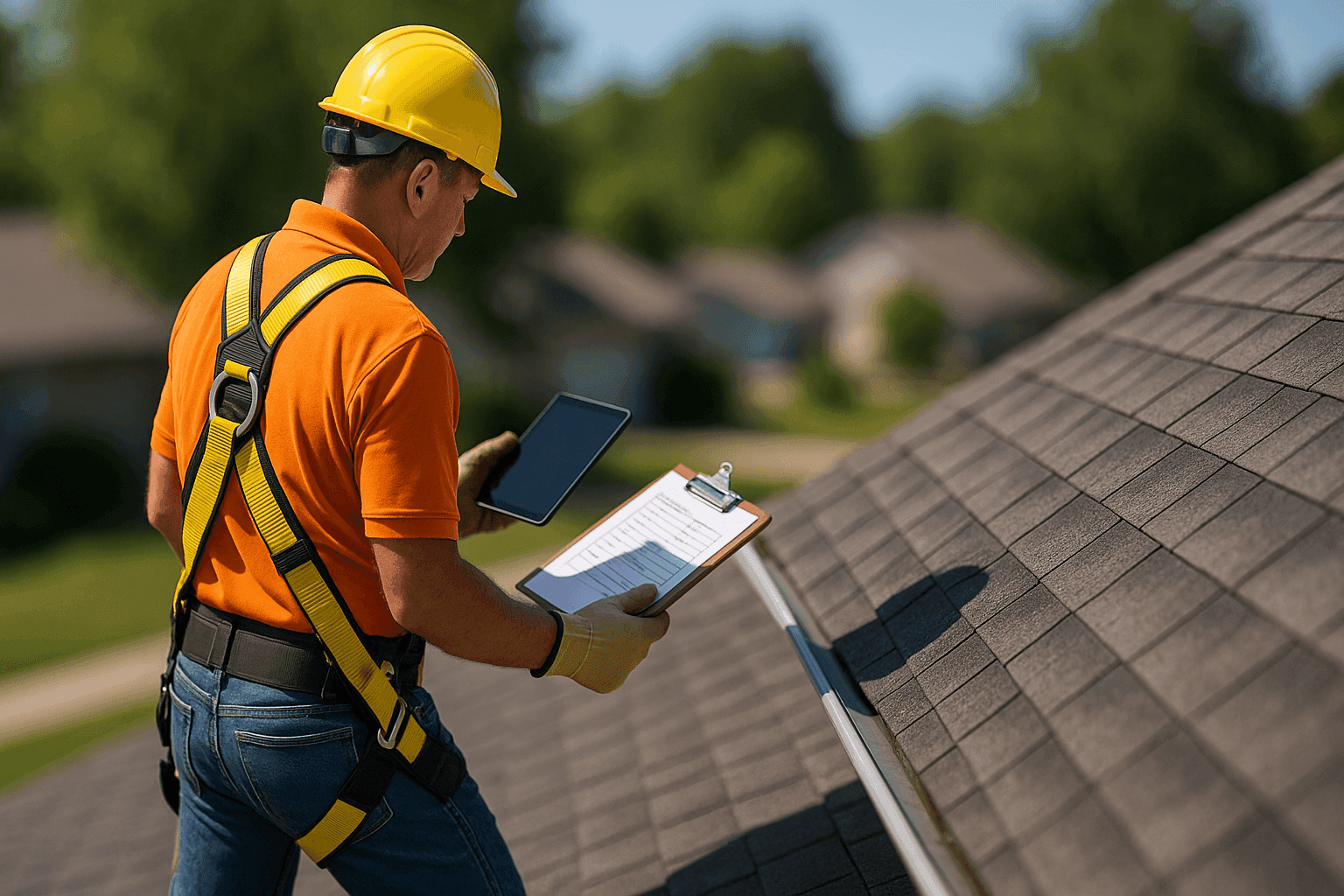
Owning a home means more than just mowing the lawn or fixing the squeaky gate. Your roof—out of sight, out of mind—often gets overlooked, until it suddenly demands your attention. Maybe after a wild storm. Maybe when it starts raining inside. Or—best case—before any of that happens.
At A & J Roofing, we know that roof inspections can feel mysterious or intimidating. We're here to pull back the curtain. Here’s what you should expect, what to ask for, and how a thorough inspection saves you money and stress over the long run.
When to Schedule an Inspection 🕒
Timing is everything when it comes to roofs. Wait too long, and a tiny leak can turn into a big, costly headache. Here’s when you should consider scheduling a roof inspection:
- After Big Storms: Hail, wind, or heavy rain can knock shingles loose, dent metal, or clog downspouts. If you’ve just weathered a storm, call for an inspection. Emergency roofing teams like ours are ready for fast response.
- Twice a Year: Ideally, schedule inspections in both spring and fall. That way, you prepare for—and recover from—harsh weather, whether it’s summer heat or winter ice.
- Before Buying or Selling: Real estate deals can hinge on the roof’s condition. Sellers avoid last-minute surprises, and buyers get peace of mind.
- When You Notice Issues: Did you spot a stain on your ceiling? Hear odd drips? See a shingle on your lawn? Don’t wait.
For a full rundown, the National Roofing Contractors Association (NRCA) recommends at least two professional inspections per year.
What Inspectors Look For
Think of a professional roof inspector like a detective. Their job is to spot problems before they turn into disasters. Here’s what they focus on:
1. Structural Integrity
Inspectors check for sagging, uneven roof lines, or signs that the decking (the wood beneath your shingles) is weakening. They’ll look for:
- Bowed or warped areas
- Cracked or loose rafters
- Chimney and vent stability
2. Flashing and Seals
Flashing is like the moat around your castle—protecting vulnerable spots where water wants to sneak in. Inspectors review:
- Metal flashing around chimneys, skylights, and valleys
- Rubber or sealant at vents and joints
- Rust, cracks, or separation
3. Signs of Leaks and Water Damage
Water is sneaky. Inspectors look for:
- Stains on ceilings or attic insulation
- Soft spots in decking
- Mold, mildew, or musty smells
4. Insulation and Ventilation
Good airflow keeps your attic—and your whole house—healthy. Inspectors assess:
- Proper insulation thickness
- Clear, functional vents
- Signs of condensation or heat buildup
5. Roofing Material Condition
Whether it’s shingles, tile, metal, or flat roof surfaces, professionals look for:
- Missing, cracked, or curling shingles
- Tile chips, cracks, or slipping
- Metal corrosion or punctures
- Membrane splits on flat roofs
6. Gutters, Downspouts & Skylights
Inspectors check for:
- Clogged or damaged gutters (Downspout Repair near you becomes crucial)
- Secure downspouts, properly draining away from the home
- Skylight glass or seals for cracks or leaks
Questions to Ask Your Inspector
You don’t have to be an expert. But you should feel empowered. Here are smart questions to ask when your inspector arrives:
- Are you certified or licensed in roof inspections?
Ask for documentation. Look for certifications from organizations like the NRCA or state licensing boards. - What areas will you inspect, inside and out?
Make sure the attic, flashing, gutters, and ventilation are included. - Can I see photos or videos of any issues?
Visual proof helps you understand the problem (and avoid surprises). - How urgent are these repairs?
Find out what needs immediate attention versus what can wait. - What maintenance should I plan for?
Preventative tips can help you avoid future emergency roofing calls. - Will I get a written report?
Documentation is key, especially for insurance claims or real estate transactions.
What Happens Next: Report, Repairs & Maintenance
After the inspection, you’ll get a detailed report. Here’s what to expect:
Sample Roof Inspection Report
A typical report from A & J Roofing includes:
- Summary: Top concerns, recommended repairs, and estimated timelines
- Photos: Before-and-after shots of problem areas
- Checklist: What was reviewed (shingles, flashing, insulation, etc.)
- Repair Recommendations: Prioritized list, from urgent leaks to long-term upgrades (like eco-friendly roofing options)
- Certification: Inspector’s credentials and date
Keep this report. It’s valuable for insurance, selling your home, or simply tracking your roof’s health over time.
Next Steps
- Schedule Repairs: Book needed work—leak repair, roof flashing repair, shingle replacement, or downspout installation—before minor problems get worse.
- Plan Maintenance: Set reminders for regular gutter cleaning, sealant touch-ups, and annual inspections.
- Budget: Use the report to anticipate costs. Preventative maintenance now saves on major repairs later.
Tips for Buyers & Sellers
If you’re buying:
Request a recent inspection report. Ask if repairs were made and when. Consider an independent inspection for peace of mind.
If you’re selling:
A clean inspection report is a powerful bargaining chip. Fix minor issues ahead of listing to maximize your home’s value and avoid closing delays.
Roof Inspector Certification & Safety
Roof inspectors should follow safety guidelines set by OSHA (Occupational Safety and Health Administration) and local building codes. Look for professionals who are insured, trained in fall protection, and up-to-date on modern roofing materials—especially if your home has specialty requirements like skylight installation, tile roofing, or metal roofing.
Practical Tips for Homeowners
- Clean gutters and downspouts at least twice a year.
- Trim back overhanging branches. They can scrape shingles or drop debris.
- Check your attic after big storms. Look for fresh stains or wet insulation.
- Don’t ignore small leaks. Water finds a way—even through tiny cracks.
What to Expect During an Emergency Roofing Inspection
Emergencies happen—a tree limb crashes down, or a windstorm rips off shingles. Here’s what happens when you call for emergency roofing:
- Rapid Response: Teams prioritize your safety and prevent further damage.
- Tarping: Temporary coverings go up fast to keep water out.
- Quick Assessment: Focus is on immediate threats—active leaks, exposed wood, electrical hazards.
- Follow-Up: After the crisis is contained, a full inspection will assess what needs repair or replacement.
Frequently Asked Questions
How long does a roof inspection take?
Most residential inspections take 60–90 minutes, but complex roofs or major storm damage may take longer.
Do I have to be home during the inspection?
It’s helpful but not essential. Inspectors often need attic access, so arrange entry if you can’t be there.
Will my roof warranty be affected?
Not if the inspection is done by a certified professional. In fact, regular inspections can help keep warranties valid.
Is roof inspection dangerous?
Roofing is one of the most hazardous jobs. Always hire professionals trained in safety and fall protection.
Long-Term Savings: Why Inspections Matter
Inspections are like oil changes for your car. Ignore them, and you risk a breakdown. Schedule them, and your roof can last for decades—saving you thousands in emergency repairs, ruined insulation, or lost home value.
Ready for Peace of Mind?
Don’t wait for the next storm or leak. Get proactive and schedule your comprehensive roof inspection today. Your home—and your wallet—will thank you.
Call A & J Roofing now — or reach us anytime at 877-748-7543 .