Residential Roof Types Explained: Pros, Cons, and Lifespans
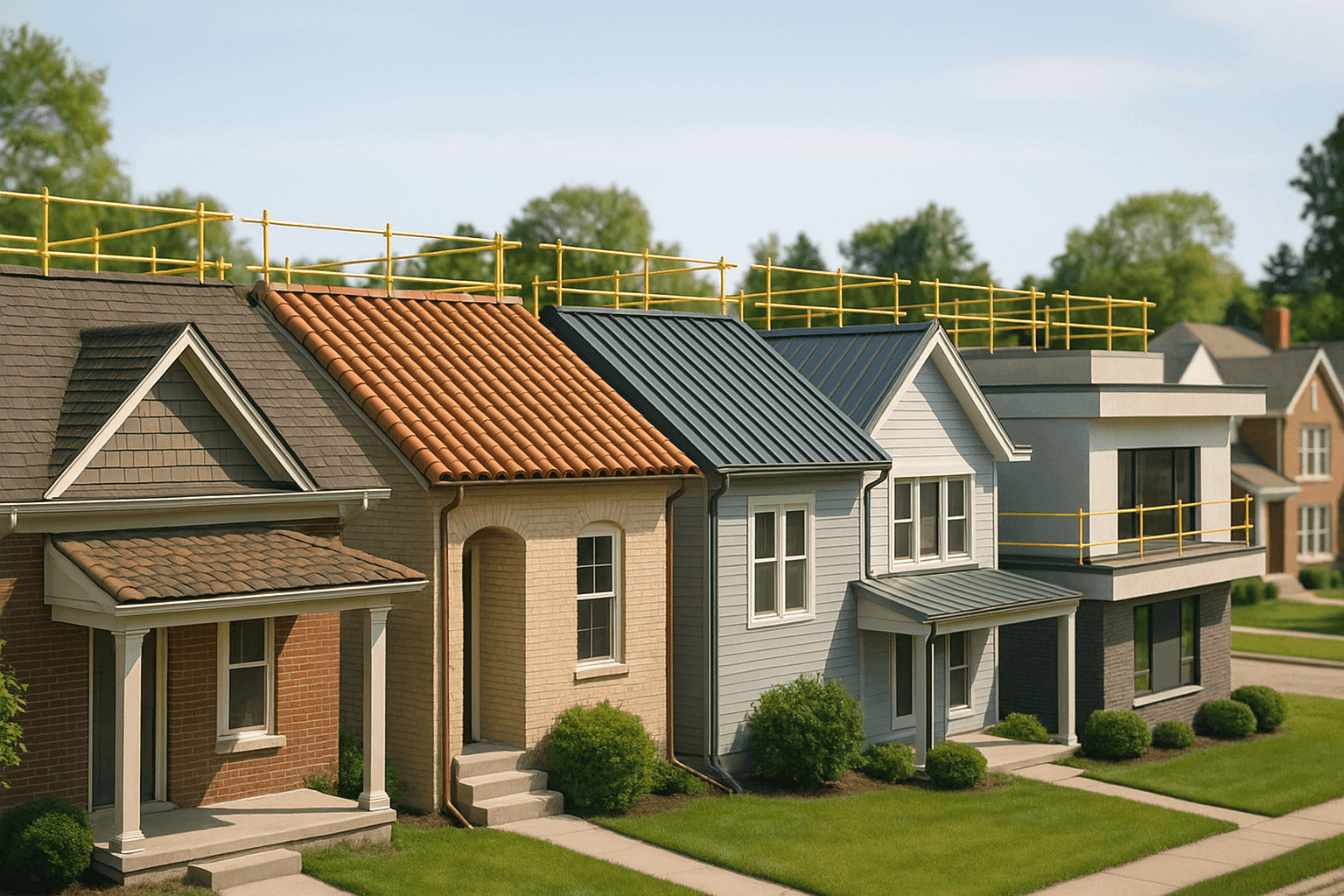
When a roof starts leaking or shingles blow off in a storm, it’s more than an inconvenience. It’s your family’s safety, your investment, and your peace of mind on the line. Choosing the right roof isn’t just about looks or price—it’s about protection, resilience, and planning for the future.
At A & J Roofing, we’ve seen every scenario, from midnight emergency roofing calls to quiet afternoons spent fixing a leaky skylight. We know that every home—and every homeowner—faces unique challenges. Let’s break down the most common residential roof types, so you can make a decision that fits your climate, style, and budget.
Asphalt Shingles
Asphalt shingles are the blue jeans of roofing—reliable, versatile, and found almost everywhere. They cover more homes in North America than any other material.
How They’re Made:
Asphalt shingles have a fiberglass or organic mat core, coated in asphalt, and topped with ceramic granules for color and protection.
Pros:
- Affordable: Lowest upfront cost for most roof types.
- Easy to Install: Quick installation means less disruption.
- Wide Color/Style Range: Matches almost any home.
- Decent Fire Resistance: Meets most building codes (check UL Class A/B/C ratings).
Cons:
- Shorter Lifespan: Usually 15–30 years, depending on shingle quality and climate.
- Can Be Damaged by Extreme Weather: Hail, wind, and rapid temperature swings can cause cracking or loss.
- Not Eco-Friendly: Most end up in landfills (though recycling is growing).
Best For:
Homeowners needing an affordable, straightforward solution. Also works well for emergency roofing repairs and quick replacements.
Tip: Look for shingles with algae-resistant coatings in humid areas. 🏡
Tile Roofing
Tile roofs are like a suit of armor for your home—built to last and instantly recognizable.
Types:
- Clay Tile: Classic terracotta, heavy, and fireproof.
- Concrete Tile: Durable, lower cost than clay, and available in many styles.
- Slate Tile: Natural stone, beautiful, and extremely long-lived (but expensive).
Pros:
- Longevity: 50–100 years with proper maintenance (per National Roofing Contractors Association).
- Excellent Fire Resistance: Non-combustible.
- Distinctive Style: Mediterranean, Spanish, and modern designs.
Cons:
- Weight: Tiles are heavy. Your roof framing may need reinforcement before installation.
- Fragility: Tiles can break if walked on or struck by large debris.
- Higher Upfront Cost: Materials and installation are pricier.
Best For:
Homes in hot, dry climates or areas with wildfire risk. Owners looking for a long-term investment and classic appeal.
Tip: Always check local building codes for weight limits before choosing tile. 🧱
Metal Roofing
Metal roofs are the superheroes of the roofing world—strong, sleek, and ready for anything.
Types:
- Standing Seam: Interlocking panels, highly weather-resistant.
- Metal Shingles: Mimic traditional shingles or shakes.
- Corrugated Panels: Common for cabins, sheds, and some modern homes.
Pros:
- Durability: 40–70 years is common, with many manufacturers offering 30–50 year warranties.
- Lightweight: Easier on your home’s structure.
- Energy Efficient: Reflects sunlight, lowering cooling costs (per U.S. Department of Energy).
- Low Maintenance: Resists mildew, rot, and insects.
- Excellent for Rainwater Collection: Rust-resistant coatings help keep water clean.
Cons:
- Higher Initial Cost: But often pays off over decades.
- Noise: Rain can be loud without proper insulation.
- Denting: Hail or falling branches can cause dings, especially on softer metals like aluminum.
Best For:
Areas with heavy snow, rain, or wildfire risk. Homeowners wanting low maintenance and long-term value.
Tip: Install proper underlayment for noise reduction and added insulation. ⛈️
Flat Roofs
Flat roofs are the unsung heroes, especially for modern and mid-century homes, additions, or multi-family buildings.
Materials:
- Modified Bitumen: Asphalt-based, rolled on in sheets.
- EPDM Rubber: Synthetic rubber membrane, flexible and UV resistant.
- TPO/PVC: White, reflective membranes for energy efficiency.
Pros:
- Space-Saving: Can be used for patios, gardens, or solar panels.
- Easy Access: Simpler to inspect and repair.
- Modern Aesthetic: Clean lines and minimalist appeal.
Cons:
- Shorter Lifespan: Usually 10–25 years depending on material and maintenance.
- Drainage Issues: Water can pool if not properly installed or maintained.
- Not Ideal for Heavy Snow: Flat roofs may struggle under extreme snow loads.
Best For:
Mild climates or where space is at a premium. Also common in urban settings.
Tip: Schedule regular inspections to catch small leaks before they become big problems. 🛠️
Pros, Cons & Lifespans
Let’s pull back the curtain and look at the trade-offs:
-
Asphalt Shingles:
- Pros: Affordable, easy to repair, wide selection
- Cons: Shorter lifespan, less eco-friendly
- Lifespan: 15–30 years
-
Tile Roofing:
- Pros: Extremely durable, fire resistant, timeless look
- Cons: Heavy, expensive, fragile under foot
- Lifespan: 50–100 years
-
Metal Roofing:
- Pros: Long-lasting, energy efficient, lightweight
- Cons: Higher initial cost, can be noisy
- Lifespan: 40–70 years
-
Flat Roofs:
- Pros: Usable space, modern look, easy access
- Cons: Needs frequent inspections, drainage issues
- Lifespan: 10–25 years
Manufacturer warranties and proper installation matter. For example, GAF and CertainTeed publish detailed warranty terms—always ask your installer what’s covered.
Regional Suitability (Snow, Hurricane, Fire Risk)
Choosing a roof is like choosing a winter coat in Minnesota versus a rain jacket in Florida. Your local weather shapes your best option.
Snowy Climates
- Metal roofs: Snow slides off easily. No ice dams.
- Asphalt shingles: Work with proper attic ventilation.
- Tile: Can work, but heavy snow can crack tiles if not reinforced.
Hurricane/High Wind Zones
- Metal and architectural shingles: Rated for high wind uplift (look for ASTM D3161 Class F).
- Tile: Can be reinforced, but may require additional fasteners.
Fire-Prone Areas
- Metal and tile: Both are non-combustible and meet California’s wildland-urban interface codes.
- Asphalt shingles: Only use those with Class A fire rating.
Tip: Always check your state’s building code and local ordinances for roofing requirements. 🌪️
Cost & Maintenance Comparison
Budget is real. But so is upkeep. Here’s what to expect:
- Asphalt Shingles: Lowest initial cost, moderate maintenance (cleaning, occasional repairs).
- Tile Roofing: High upfront cost, occasional broken tiles need replacing, routine inspections.
- Metal Roofing: Higher initial cost, minimal maintenance (just keep debris and leaves clear).
- Flat Roofs: Moderate cost, frequent inspections, resealing as membranes age.
Long-term, cheaper roofs may cost more in repairs or early replacement. Spending more upfront can mean decades of peace and lower maintenance costs.
Tip: Schedule annual inspections—especially after storms. Catching problems early keeps costs down. 💡
Practical Tips for Homeowners
- Ventilation Matters: Proper attic ventilation extends any roof’s life and prevents mold.
- Gutter & Downspout Maintenance: Clogged gutters can ruin roofs. Search “Downspout Repair near you” before the rainy season.
- Flashing & Sealants: Check chimney flashing and roof sealants annually. These are common leak points.
- Emergency Roofing: If water is entering your home, call emergency roofing pros immediately—temporary tarping prevents further damage.
Refer to the International Residential Code (IRC) for minimum slope, fastening, and fire resistance requirements. Manufacturer recommendations always apply.
FAQ
How do I know which roof is best for my house?
Consider your local weather, your budget, and how long you plan to stay in your home. Asphalt fits most, but metal or tile are better for harsh climates or forever homes.
Can I install a new roof over an old one?
Building codes in many areas allow one layer of overlay (asphalt over asphalt), but it’s not always the best for longevity or warranties. Always check with a licensed roofer.
How often should my roof be inspected?
Twice a year is best—once in spring and once after storm season. Annual inspections catch small problems before they turn urgent.
What’s the most eco-friendly option?
Metal roofs often contain recycled content and can be recycled at the end of their life. Some asphalt shingle manufacturers are now offering recycling programs as well.
Local/Seasonal Considerations
No matter where you live, weather waits for no one. Storms, snow, and sun can all put your roof to the test.
- Winter: Ice dams and heavy snow can cause leaks or collapse. Clear snow when safe.
- Spring: Check for missing shingles or gutter damage after storms.
- Summer: UV rays accelerate wear, especially on older shingles.
- Fall: Clean gutters and check for loose flashing before the rainy season.
If you’re in a hurricane, wildfire, or extreme weather zone, invest in materials rated for your region. And always keep your emergency roofing contacts handy.
Choosing the right roof is a big decision—but you don’t have to do it alone. The team at A & J Roofing brings years of hands-on experience to every project, from downspout repair to full roof replacement. When your roof needs help—fast or planned—make the call that protects your home for years to come.
Call A & J Roofing now — or reach us anytime at 877-748-7543 .