How to Prepare Your Roof for Severe Weather: A Homeowner’s Guide
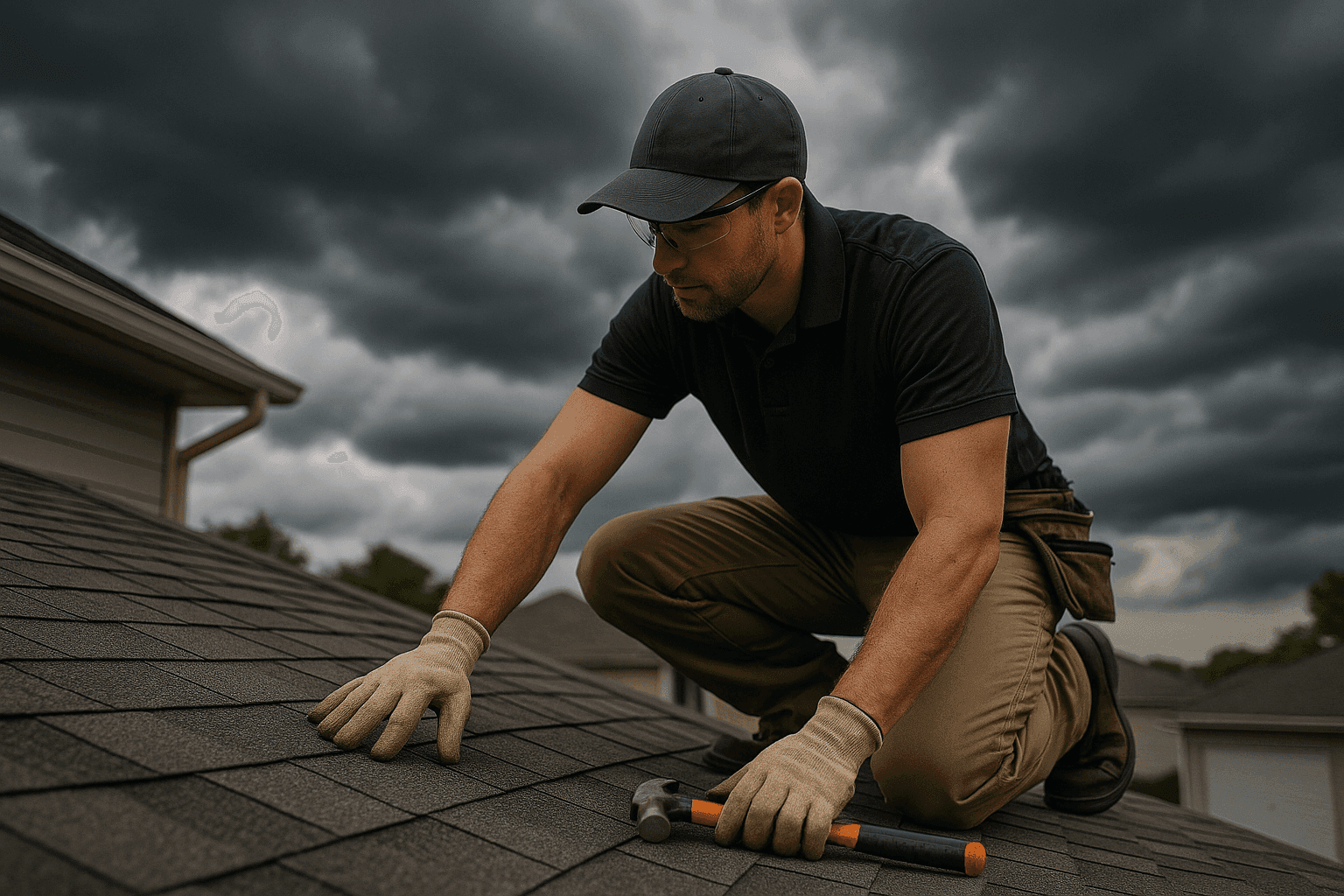
Is your roof ready for the next big storm? Severe weather can sneak up on anyone—wind howls, rain pounds, and suddenly, you’re hoping your roof holds strong. At A & J Roofing, we’ve seen how quickly a small leak can turn into an emergency. Your roof is your home’s helmet. Let’s keep it sturdy.
Whether you’re a homeowner or a small business owner, knowing how to prepare your roof for wild weather isn’t just smart—it’s essential. Here’s your step-by-step guide to protecting what matters most.
Why Severe Weather Threatens Your Roof
Rain, wind, hail, and ice—nature doesn’t play favorites. Even a well-built roof can suffer damage when the weather turns ugly. Shingles blow loose. Gutters clog and overflow. Water finds the tiniest crack and creeps in. The National Roofing Contractors Association warns that seasonal storms are a leading cause of roof leaks and structural damage.
Think of your roof as a shield. Cracks, missing shingles, or clogged gutters are like chinks in armor. When the storm hits, those weak spots get targeted first.
Quick Safety Checklist Before Bad Weather Hits 📝
Before the clouds roll in, run through this list:
- Inspect shingles or tiles for cracks, curling, or missing pieces
- Check attic and ceilings for water stains or dampness
- Clear gutters and downspouts of leaves, sticks, and debris
- Secure loose flashing around chimneys, vents, and skylights
- Trim overhanging branches to prevent impact damage
- Test attic ventilation to reduce moisture buildup
- Look for rust or separation on metal roofing panels
- Ensure downspouts direct water away from your foundation
A little preparation now can save you a lot of hassle—and expense—later.
Should You DIY or Call a Roofing Pro?
Some roof maintenance is safe for handy homeowners. Clearing gutters, checking for visible shingle damage, and trimming small branches are usually manageable. But climbing ladders and walking on a roof can be risky. According to the Occupational Safety and Health Administration (OSHA), falls are a leading cause of home repair injuries.
Call a professional if you notice:
- Persistent leaks or water stains inside
- Sagging rooflines
- Damaged flashing or large sections of missing shingles
- Mold, mildew, or heavy moss growth
- Signs of animal nests or insect damage
If you’re ever unsure, it’s safer to call in the experts from A & J Roofing.
What Roofing Pros Do When They Arrive
When our technicians show up, they bring more than just ladders and tool belts. Here’s what happens during a professional inspection and emergency roofing service:
1. Full Roof Assessment
We check every inch—shingles, tiles, metal panels, flashing, and sealants. We look for hidden damage, weak points, and places where water could sneak in.
2. Attic and Insulation Check
A leaky roof often leaves clues in your attic. Wet insulation, musty smells, or daylight peeking through boards signal trouble.
3. Gutter and Downspout Inspection
Clogged gutters are a recipe for overflow and roof rot. We clear debris and make sure water flows freely away from your home.
4. Emergency Repairs
If we find urgent issues—like missing shingles or a gaping leak—we patch things up right away to prevent further damage.
5. Structural Review
We assess the decking and supports beneath your roof. If storm damage has weakened the structure, we’ll let you know what needs fixing.
Prevention & Maintenance: Your Year-Round Game Plan
Prevention beats panic every time. Regular maintenance keeps your roof strong, season after season.
Seasonal Timing Tips
- Spring: Inspect for winter damage—ice can pry up shingles and cause leaks.
- Summer: Check for cracked or sun-baked materials, especially on flat roofs.
- Fall: Clear gutters before leaves pile up and freeze.
- Before Storm Season: Schedule a professional inspection and address any weak spots.
Maintenance Must-Dos
- Clean gutters and downspouts at least twice a year
- Replace damaged or missing shingles right away
- Reseal flashing and joints around chimneys, skylights, and vents
- Check attic insulation and ventilation to prevent ice dams and condensation
- Trim back trees that could drop limbs during storms
Staying ahead of the weather means fewer surprises—and fewer emergency calls.
Costs & Time Factors: What to Expect
Roof maintenance and repairs can range from a quick afternoon job to a multi-day project. Here’s what affects the cost and timeline:
- Type of repair: Patching a small leak is faster and less expensive than replacing a whole section of roof.
- Materials used: Specialty materials like metal roofing or tile may take longer to source and install.
- Accessibility: Steep or high roofs require more safety precautions and time.
- Weather delays: Rain or wind can slow down work for safety reasons.
A simple inspection and gutter cleaning might take a few hours. More complex emergency roofing repairs could stretch over several days, especially if structural work is needed.
When It’s an Emergency: Act Fast 🚨
Some situations can’t wait. Call for emergency roofing help if you notice:
- Water pouring in during or after a storm
- A tree branch or debris has punctured your roof
- Shingles or tiles are missing after high winds
- Large sections of gutter or flashing are hanging loose
- Sagging or bowing in the roof deck
Delaying repairs can lead to mold, ruined insulation, and costly structural problems. The sooner you act, the better your chances of minimizing damage.
Frequently Asked Questions
How often should I have my roof inspected?
The National Roofing Contractors Association recommends a professional inspection at least twice a year—once in the spring and once in the fall. After major storms, it’s wise to check for damage right away.
Can I repair a small leak myself?
Small leaks might seem easy to patch, but water can travel far from the entry point. Temporary fixes may hold for a while, but a professional inspection ensures the root cause is addressed.
What are early warning signs of roof trouble?
Look for missing or curled shingles, water stains on ceilings, mold in the attic, and granules in your gutters. These are all signs your roof needs attention.
How do I know if my insulation and ventilation are working?
In the attic, check for even temperatures and dry insulation. If you notice condensation, musty odors, or ice dams in winter, your ventilation or insulation may need improvement.
Special Considerations for Severe Weather Roof Prep
- Flat roofs: Extra attention to drainage and sealants is crucial—ponding water can cause rapid deterioration.
- Metal roofing: Watch for rust and loose panels, especially after hail or wind.
- Tile roofing: Cracked or slipped tiles can let in water even if the rest of the roof looks solid.
- Commercial roofs: Larger surface areas mean more places for leaks to start; schedule regular inspections.
- Eco-friendly options: Green roofs and solar panels need specialized care—make sure your roofer is familiar with these systems.
Remember, every roof is different. The best defense is a tailored plan based on your roof’s age, material, and exposure.
Severe weather doesn’t have to spell disaster for your home or business. With a little planning and the right help, you can face storm season with confidence.
Call A & J Roofing now — or reach us anytime at 877-748-7543 .