How to Identify and Fix Hidden Roof Leaks Before They Cause Damage
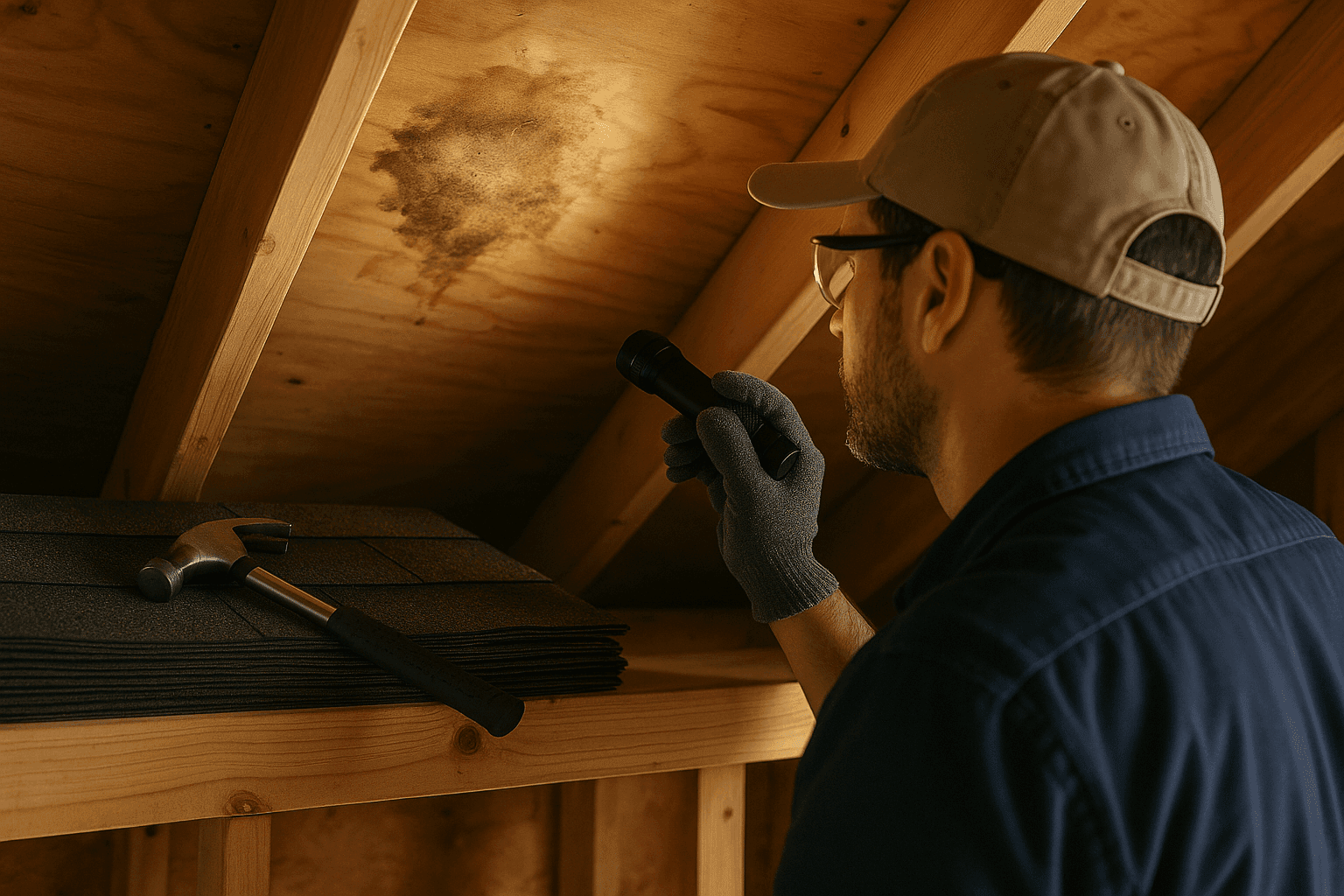
It starts with a drip. Or maybe not even that—just a faint stain on the ceiling, a whiff of musty air, or a spike in your energy bill. Hidden roof leaks can sneak up on anyone. By the time you notice, water may have been working its way through your home for weeks, even months.
At A & J Roofing, we know how quickly a minor leak can become a major headache. Whether you’re caring for a family home or running a small business, protecting your building starts with early detection. Let’s walk through what to watch for, what you can do today, and when to call in emergency roofing help.
The Hidden Threat: Why Roof Leaks Go Unnoticed
Roofs are like shields—always taking the hit so you don’t have to. But even the strongest shield can develop cracks. Water finds the smallest opening: a lifted shingle, a rusty nail hole, a gap in flashing. And once inside, it travels. Quietly. Relentlessly.
Most leaks don’t announce themselves with a waterfall. Instead, they hide behind walls, above ceilings, or under insulation. By the time you see obvious signs, the damage may already be widespread. That’s why early detection is your best defense.
Common Signs of Hidden Roof Leaks
- Water stains: Brown or yellow spots on ceilings and walls.
- Mold or mildew: Musty smells, dark patches, or fuzzy growth in corners.
- Peeling paint or bubbling wallpaper: Moisture trapped beneath surfaces.
- Warped wood: Swollen window frames, baseboards, or attic beams.
- Unexplained energy bills: Wet insulation loses its power, forcing your HVAC to work overtime.
Storms, heavy rain, and seasonal freeze-thaw cycles can make small leaks worse. After a big storm, always check for new signs—even if your roof looks fine from the ground.
Quick Safety Checklist Before You Inspect 🛑
Before you grab a flashlight and head for the attic, pause. Roof inspections—especially after storms—can be risky. Here’s how to stay safe:
- Never climb on a wet or icy roof. Slips happen fast.
- Wear sturdy shoes with good grip.
- Use a stable ladder. Secure it on level ground and have someone nearby if possible.
- Protect your eyes and hands. Debris and insulation can irritate skin and lungs.
- Watch for electrical hazards. Wet areas near wiring are dangerous. If you see exposed wires, stop and call a professional.
- Don’t disturb mold. Some types can cause health issues. If you spot extensive mold, call in the pros.
For more, the Occupational Safety and Health Administration (OSHA) offers guidelines on ladder and roof safety.
DIY Leak Detection: What You Can Check
You don’t need special tools to spot the warning signs. Just a sharp eye and a little patience.
Step 1: Attic Inspection
- Use a flashlight to scan rafters, insulation, and the underside of the roof deck.
- Look for dark stains, wet insulation, or streaks along beams.
- Feel for dampness but avoid disturbing insulation more than necessary.
Step 2: Ceiling and Wall Check
- Examine ceilings for discoloration or sagging.
- Check walls for bubbling paint or peeling wallpaper.
- Inspect corners and window frames for soft or warped wood.
Step 3: Roof Surface Walk-Around
- From the ground, look for missing, cracked, or curled shingles.
- Check for piles of granules in gutters—these are the sand-like bits that protect shingles.
- Scan for damaged flashing around chimneys, skylights, or vents.
Step 4: Gutters and Downspouts
- Make sure gutters are clear of debris—clogged gutters can force water under shingles.
- Inspect downspouts for leaks or loose connections.
- Look for water pooling near the foundation, which can signal drainage issues.
If you spot any of these signs, act quickly. Even a small leak can lead to big problems if left alone.
DIY vs. Call a Pro: Knowing Your Limits
Some repairs are safe for handy homeowners—others are best left to the emergency roofing team.
When You Can Try DIY
- Minor caulking: Small gaps around vents or flashing can be sealed with roofing caulk.
- Clearing gutters: Removing leaves and debris is a good weekend project.
- Replacing a shingle: If you’re comfortable on a ladder and have the right tools, a single missing shingle can be replaced.
When to Call A & J Roofing
- Active leaks inside your home: Water dripping or pooling needs urgent attention.
- Widespread staining or mold: This can signal deeper, hidden damage.
- Storm or wind damage: Shingles, flashing, or gutters ripped loose.
- Flat or metal roofs: These require special materials and expertise.
- Any sign of roof sagging or structural issues: Safety first.
Remember: Roof work is dangerous. If you’re unsure, it’s always safer to call in professionals trained in emergency roofing.
What the Pros Do On Arrival
When you call A & J Roofing for a leak, our team arrives ready for action. Here’s what to expect:
Step 1: Full Inspection
We start with a thorough check—inside and out. That means:
- Attic and ceiling assessments
- Surface inspection for missing or damaged shingles, tiles, or metal panels
- Flashing, gutter, and skylight checks
We use moisture meters and thermal imaging when needed to find leaks hiding behind walls or under insulation.
Step 2: Temporary Protection
If water is entering your home, we’ll install emergency tarps or sealants to stop the flow immediately. This buys time for a permanent fix.
Step 3: Detailed Repair Plan
We’ll explain what we found, what needs repair, and your options. Our services cover everything from shingle and flashing replacement to full roof restoration. We follow building codes and manufacturer guidelines for every repair.
Step 4: Permanent Solutions
Depending on the damage, repairs may include:
- Replacing damaged decking, underlayment, or insulation
- Fixing or replacing shingles, tiles, or metal panels
- Sealing joints, vents, and flashing with high-quality materials
- Restoring gutters, downspouts, and drainage
We always clean up after ourselves and leave your property safe and dry.
Prevention & Maintenance: Keeping Leaks at Bay 🏠
A little maintenance goes a long way. Think of it like brushing your teeth—routine care now saves you from big problems later.
Simple Steps for Homeowners and Business Owners
- Inspect your roof twice a year: Spring and fall are ideal.
- Clear gutters and downspouts regularly: Especially after storms or when leaves fall.
- Trim overhanging branches: These can scratch shingles or drop debris.
- Check attic ventilation and insulation: Proper airflow prevents moisture buildup.
- Schedule professional inspections: Annual checkups catch small issues before they spread.
Preventative maintenance is recommended by the National Roofing Contractors Association (NRCA) and can extend your roof’s life by years.
Costs & Time Factors: What to Expect
Every leak is different. Some repairs take an hour; others need days of work. Here’s what affects the timeline and cost:
- Extent of damage: Small leaks cost less to fix than widespread rot or mold.
- Roof type: Flat, metal, and tile roofs may require special materials.
- Accessibility: Steep or high roofs take longer and may need extra safety gear.
- Weather: Rain or snow can delay repairs.
Emergency roofing services often cost more due to the urgency and after-hours response. But catching leaks early usually keeps costs down in the long run.
When It’s an Emergency
Not all leaks are created equal. Some can wait a day or two; others need attention now.
Call for Emergency Roofing If:
- Water is pouring through the ceiling or walls
- There’s visible sagging or collapse
- Electrical outlets or wiring are wet
- Mold is spreading rapidly
- You’ve just experienced severe storm damage
In these cases, don’t wait. Water moves fast—and so does damage.
FAQ: Hidden Roof Leaks
How do I know if my roof is leaking if I can’t see water?
Look for stains, musty smells, or peeling paint. Check your attic for damp insulation or dark streaks on wood. Unexplained increases in heating or cooling bills can also be a clue.
Can I fix a roof leak myself?
You can handle minor repairs like sealing small gaps or replacing a single shingle. But for active leaks, widespread damage, or anything involving mold or structure, it’s safer to call a professional.
How often should I have my roof inspected?
Twice a year is a good rule—once in the spring and once in the fall. Always schedule an inspection after a major storm.
Are roof leaks covered by insurance?
Many policies cover sudden and accidental leaks, but not those caused by neglect or lack of maintenance. Check your policy and document any damage as soon as you notice it.
Special Considerations for Roof Leak Services
Every building is unique. Flat roofs, skylights, chimneys, and older homes have their own weak spots. Business owners should also watch for leaks around HVAC units or rooftop equipment. Eco-friendly roofing materials and coatings may need special care—always use products recommended by the manufacturer.
Safety is key. Never walk on a damaged or wet roof. If you’re not sure, let an emergency roofing team handle the risky work.
Early action is the best way to protect your home or business from hidden leaks. Regular inspections, quick repairs, and a little attention can save you stress and money down the road.
Call A & J Roofing now — or reach us anytime at 877-748-7543 .