How to Extend Your Roof’s Lifespan: Essential Maintenance Tips
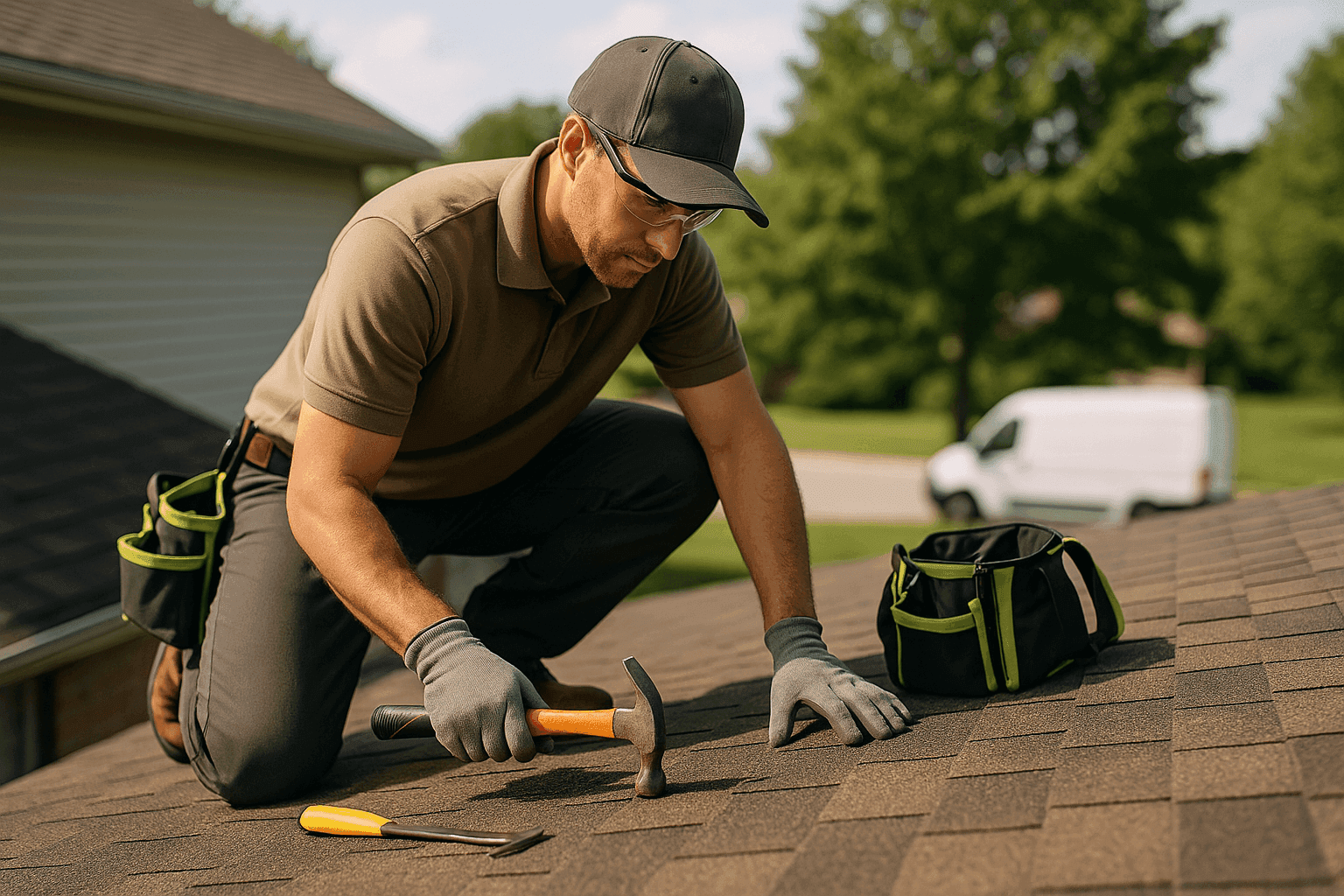
Keeping a roof over your head isn’t just a saying—it’s a lifeline. Your roof shields your home or business from storms, heat, and everything in between. But even the toughest roof needs a little care to keep doing its job.
At A & J Roofing, we know that a well-maintained roof can save you thousands, protect your belongings, and give you peace of mind. Whether you’re a homeowner or run a small business, these essential maintenance tips will help your roof last longer and stand strong through every season.
Why Roof Maintenance Matters 🏠
Imagine your roof as a helmet for your home. It takes the hits so you don’t have to. Without regular care, small problems—like a loose shingle or clogged gutter—can grow into big headaches. Water leaks, mold, and structural damage can sneak up fast.
Regular maintenance helps you:
- Save money by preventing expensive repairs
- Catch issues before they become emergencies
- Protect everything (and everyone) beneath your roof
- Maintain property value and curb appeal
The National Roofing Contractors Association (NRCA) recommends at least two inspections a year to spot trouble early. Think of it as a checkup that keeps your home healthy.
Seasonal Roof Care Checklist
Each season brings its own challenges. Here’s how to keep your roof in top shape all year:
Spring
- Inspect for winter damage: Look for missing shingles, cracked tiles, or warped metal panels.
- Clean gutters and downspouts: Remove leaves, twigs, and debris to prevent water backup.
- Check attic ventilation: Make sure air flows freely to avoid moisture buildup.
- Look for leaks: After heavy rain, check ceilings and attic for water spots.
Summer
- Inspect for UV damage: Sun can dry out roof materials, causing cracks or curling.
- Trim overhanging branches: Prevent branches from scraping or falling on your roof.
- Clean and check skylights: Ensure seals are tight and glass is clear.
- Examine sealants and coatings: Touch up any worn or peeling spots.
Fall
- Clear gutters again: Falling leaves can clog drainage quickly.
- Check flashing around chimneys and vents: Loose flashing can let water in.
- Inspect insulation: Good insulation keeps heat in and moisture out.
- Look for moss or algae: Clean off growth to prevent damage.
Winter
- Remove snow buildup: Heavy snow can strain your roof’s structure.
- Watch for ice dams: Ice at the roof’s edge can force water under shingles.
- Check attic for condensation: Moisture can lead to mold or rot.
- Schedule a professional inspection if you notice sagging or leaks.
A little attention each season can add years to your roof’s life.
Common Roof Issues to Watch For
Roofs rarely fail overnight. Most problems start small. Keep an eye out for:
- Leaks or water stains: Water spots on ceilings or walls mean moisture is getting in.
- Damaged or missing shingles: Wind, hail, and age can loosen or break shingles.
- Cracked or rusted flashing: Flashing seals roof joints—if it’s damaged, leaks follow.
- Clogged gutters or downspouts: Standing water can rot fascia and back up under roofing.
- Sagging roofline: This signals structural issues and needs immediate attention.
- Granules in gutters: Asphalt shingle granules in your gutters mean the roof is wearing out.
Spotting these early can make all the difference.
DIY Maintenance Tips vs. When to Call a Pro
Some roof care you can handle on your own. But some jobs need a trained hand—fast.
Safe DIY Maintenance
- Use a sturdy ladder and wear rubber-soled shoes for grip.
- Clear leaves and debris from gutters and downspouts.
- Trim small branches away from your roof.
- Check for missing or loose shingles from the ground using binoculars.
- Look for water stains in your attic after storms.
When to Call a Professional
- You see sagging, large leaks, or extensive shingle loss.
- There’s damage after a storm—especially if you suspect hail or wind impact.
- Flashing or chimney caps are loose or missing.
- You notice mold, rot, or structural issues in your attic.
- The roof is steep, high, or slippery—safety first!
A & J Roofing offers 24/7 emergency roofing services. If you’re unsure, don’t risk it—call us anytime.
Importance of Regular Inspections
Think of a roof inspection like a yearly physical. According to the International Association of Certified Home Inspectors (InterNACHI), regular inspections can catch 90% of roof issues before they become major repairs. Inspections check for:
- Shingle wear and tear
- Flashing and sealant integrity
- Signs of leaks or water intrusion
- Proper ventilation and insulation
- Gutter and downspout function
Schedule inspections at least twice a year, or after severe weather.
Preventative Measures: Sealants, Coatings, Ventilation & Insulation
Prevention is better than cure. Here’s how to keep your roof healthy:
- Sealants and Coatings: These act like sunscreen for your roof, protecting against UV, water, and wind. Reapply as needed.
- Proper Ventilation: Good airflow in your attic prevents heat and moisture buildup, which can warp decking and cause mold.
- Quality Insulation: Keeps temperatures stable, reducing stress on roofing materials and cutting energy costs.
- Gutter Cleaning: Regular cleaning prevents water from backing up and damaging your roof’s edge.
Ask about eco-friendly options like reflective coatings or recycled materials to boost performance and sustainability.
When It’s an Emergency
Sometimes, roof issues can’t wait. If you notice:
- Water pouring inside during a storm
- Part of your roof is missing or collapsed
- Major leaks threatening electrical systems or valuables
- Sudden, unexplained sagging
This is an emergency. Protect your safety first. Move belongings away from leaks, avoid electrical hazards, and call A & J Roofing’s emergency roofing team immediately.
FAQ: Roof Maintenance and Lifespan
How often should I have my roof inspected?
Industry standards recommend twice a year—usually in spring and fall—or after any severe weather event.
Can I walk on my roof to check for problems?
It’s best not to. Walking on a roof can cause damage and is risky. Inspect from the ground or call a professional.
What’s the average lifespan of a roof?
It depends on materials. Asphalt shingles last 15–30 years, metal up to 50, tile even longer. Regular maintenance extends any roof’s life.
Are eco-friendly roofing options worth it?
Yes! Reflective coatings and recycled materials can improve energy efficiency and reduce environmental impact.
Special Considerations for Roof Maintenance
Every roof is unique. The pitch, material, age, and local weather all play a role. Flat roofs need extra attention to drainage. Skylights and chimneys require careful sealing. Commercial roofs may have different insulation or ventilation needs than residential ones.
Always follow Occupational Safety and Health Administration (OSHA) guidelines for ladder safety and roof access. If in doubt, call a professional.
A & J Roofing is here to help—day or night, rain or shine. Whether you need a quick inspection, emergency roofing repairs, or long-term maintenance, we’ve got you covered.
Call A & J Roofing now — or reach us anytime at 877-748-7543 .