Eco-Friendly Roofing Options: Sustainable Choices for Your Home
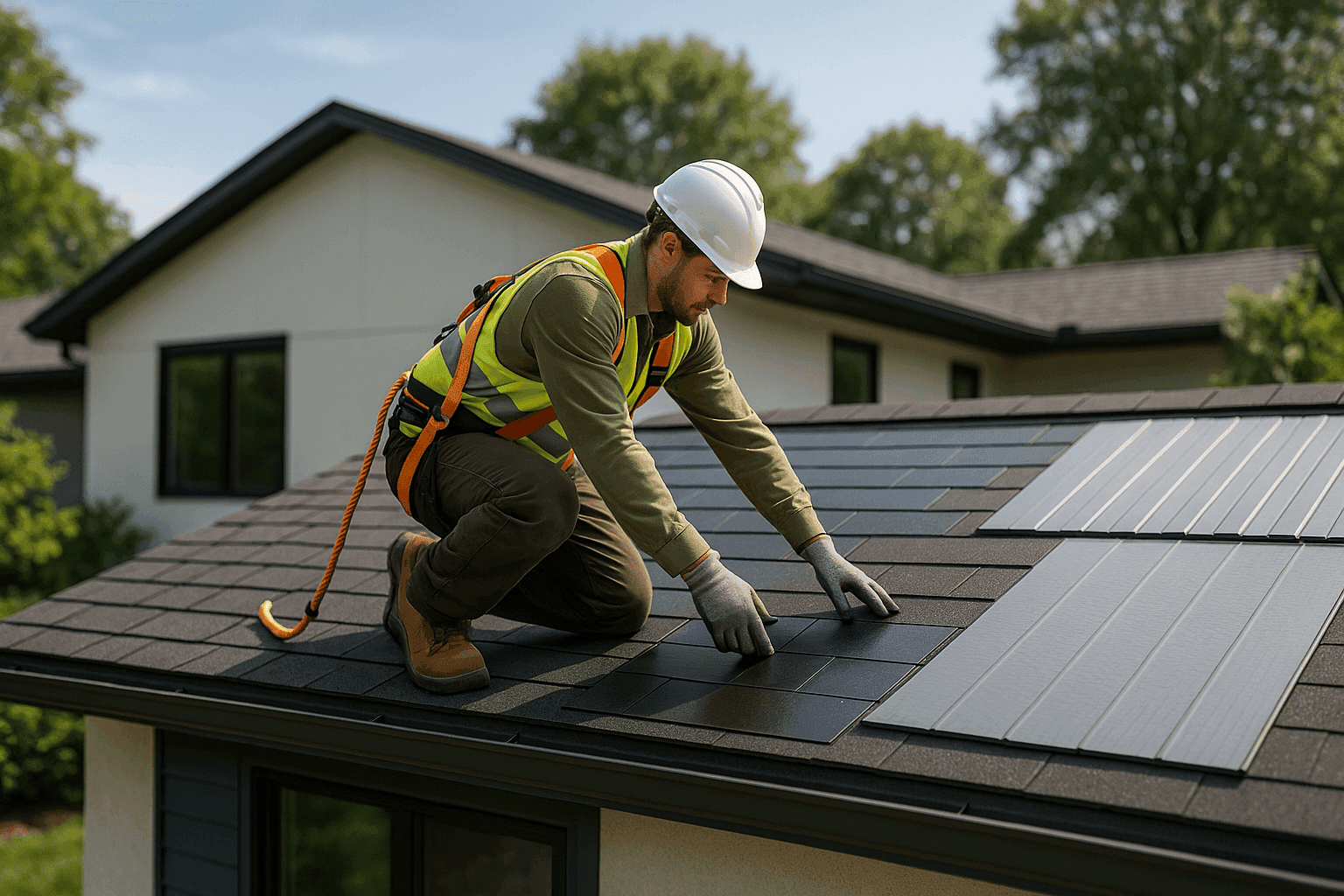
Every homeowner wants a roof that stands strong through storms, sun, and time. But what if your next roof could also help the planet—and your wallet? At A & J Roofing, we know that sustainable choices don’t have to mean sacrificing safety, style, or emergency roofing reliability.
Let’s break down what “eco-friendly roofing” really means, why it matters, and how you can make smart, sustainable moves—whether you’re planning a new installation, storm damage restoration, or just need Downspout Repair near you.
What Makes a Roof Eco-Friendly? 🏡
Eco-friendly roofing is more than just a buzzword. Think of it as a well-trained guide dog: reliable, gentle on resources, and always prepared for what’s next. Here’s what sets a green roof apart:
- Sustainable Materials: Made from recycled or renewable content, or designed for long life.
- Energy Efficiency: Reflects the sun’s rays or insulates your home, so you use less heating and cooling.
- Water Management: Controls rain runoff, supports gutter cleaning, and prevents leaks.
- Reduced Waste: Designed for easy repair, re-use, or recycling—less landfill, more peace of mind.
- Healthier Homes: Limits toxic chemicals and improves air quality through smart ventilation and insulation.
In short, an eco-friendly roof looks out for both your family and the world outside your window.
Sustainable Roofing Materials: Smarter Choices for the Long Run
Choosing a green roof is a little like picking shoes for a marathon: you want something tough, reliable, and built to go the distance. Here are some popular sustainable materials:
1. Metal Roofing
Metal roofs are the workhorses of the eco-friendly world. Made from recycled steel or aluminum, they last 40–70 years and are 100% recyclable at end of life. Their reflective surfaces mean lower attic temps and lower AC bills—especially in hot climates.
2. Recycled Shingles
Some shingles are made from rubber, plastic, or wood fiber that’s destined for the landfill. These recycled shingles look like classic slate or wood, but they’re lighter, tougher, and give old materials a new lease on life.
3. Cool Roofs
A “cool roof” is like a white T-shirt on a sunny day—it bounces heat away instead of soaking it up. Special coatings or membranes reflect UV rays, keeping your whole house cooler. The U.S. Department of Energy notes that cool roofs can cut summer energy use by up to 15%.
4. Clay & Concrete Tiles
Clay and concrete last for generations, resist storm damage, and are naturally fireproof. Their thermal mass helps regulate temperatures, so you burn less energy to stay comfortable.
5. Living (Green) Roofs
For the adventurous: a living roof, blanketed with plants, acts as a sponge for rainwater, reduces heat, and offers a home for pollinators. These are best suited for flat roofs and require careful waterproofing and structural support.
Solar-Ready Roofing: Future-Proof Your Home ☀️
Solar panels are like rooftop superheroes—quietly cutting your energy bills while fighting carbon emissions. But not every roof is built to carry them. Here’s what to keep in mind:
- Structural Strength: Metal roofing and reinforced decking are ideal for solar loads.
- Orientation: A south- or west-facing roof catches the most sun.
- Low-Profile Mounts: Some tiles and shingles are designed for easy solar installation, blending in seamlessly.
Ask your roofer about “solar-ready” prep during new roof installation or replacement. Even if you’re not ready for panels now, prepping your roof can save big down the road.
Energy & Water Savings: See the Difference
An eco-friendly roof is more than just a badge of honor. It’s a practical way to shrink your bills and carbon footprint. Here’s how:
- Cool Roofs: Lower attic temps by up to 50°F, reducing AC use and extending shingle life.
- Metal & Tile: Reflect sunlight, insulate better, and can save 10–20% on summer energy bills (according to Energy Star).
- Green Roofs: Slow stormwater runoff, keeping gutters clear and reducing the risk of leaks.
- Rainwater Harvesting: Smart gutter installation can direct clean rainwater to barrels or drip irrigation.
Curious about your own savings? Try the ENERGY STAR Roof Savings Calculator to estimate before-and-after utility costs with different materials and colors.
Cost & Incentives: Good for the Planet, Good for Your Wallet 💸
Eco-friendly doesn’t always mean expensive. Upfront costs can be higher, but you’ll often save in the long run through lower bills and longer lifespans. Plus, there are incentives to help lighten the load:
- Tax Credits: Federal solar tax credits and some state/local rebates for certain materials or energy-efficient upgrades.
- Insurance Discounts: Durable roofs (like metal or tile) may lower your premiums.
- LEED Points: Homes using sustainable roofing can earn points toward LEED certification—boosting resale value and attracting environmentally conscious buyers.
Remember: a leaky, poorly-insulated roof costs more in repairs, energy, and stress over time. Upgrading once is often cheaper than constant patchwork.
Choosing the Right Eco-Friendly Roof: A Step-by-Step Guide
- Assess Your Needs: Consider your climate, budget, and home style.
- Check Local Codes: Some materials require special permits or meet local energy/safety guidelines. The International Code Council (ICC) and your city’s building office are your friends here.
- Think Long-Term: Factor in lifespan, maintenance, and future upgrades (like solar or increased insulation).
- Get a Professional Inspection: Before you leap, let a pro check your decking, flashing, and ventilation. Emergency roofing experts like A & J Roofing can spot risks others might miss.
- Plan for Water Flow: Ensure gutters, downspouts, and flashing are up to the task. Efficient water management reduces leaks and extends roof life.
Practical Tips for Homeowners
- Clean gutters regularly: Keeps water moving and prevents rot.
- Schedule annual inspections: Catch small problems before they grow.
- Ask about sealants/coatings: These can boost reflectivity and weatherproof your roof.
- Update ventilation & insulation: Proper airflow prevents mold and saves energy.
Frequently Asked Questions
How long do eco-friendly roofs last?
Metal, tile, and properly installed green roofs often last 40 years or more. Maintenance matters, but these materials are built for the long haul.
Will an eco-friendly roof work in my climate?
Most sustainable options perform well in all climates, with tweaks for snow, heat, or hurricanes. A local pro can help you pick the best fit.
Are there eco-friendly options for emergency roofing or storm damage?
Absolutely. Many sustainable materials are tough as nails and can be installed quickly after a storm. Emergency roofing services from A & J Roofing are always ready to guide you through the process.
Local & Seasonal Considerations
- Snow Loads: Metal and tile are ideal for heavy snow but may need extra support.
- Hurricanes or Hail: Impact-resistant shingles or metal withstand storms better.
- Wildfire Zones: Opt for fire-rated materials like metal or clay tile.
Always check with your local building office for code updates and seasonal best practices.
Ready to make your home safer, smarter, and more sustainable? Whether you need Downspout Repair near you, a full replacement, or just advice on the best eco-friendly options, A & J Roofing is here—day or night.
Call A & J Roofing now — or reach us anytime at 877-748-7543 .